 English
 Bulgarian
 Croatian
 Czech
Czech Danish
 Dutch
Dutch Finnish
 French
 German
 Greek
Greek Hungarian
 Italian
 Japanese
 Norwegian
 Polish
 Portuguese
 Romanian
 Slovak
 Slovenian
 Spanish
 Swedish
 Ukrainian
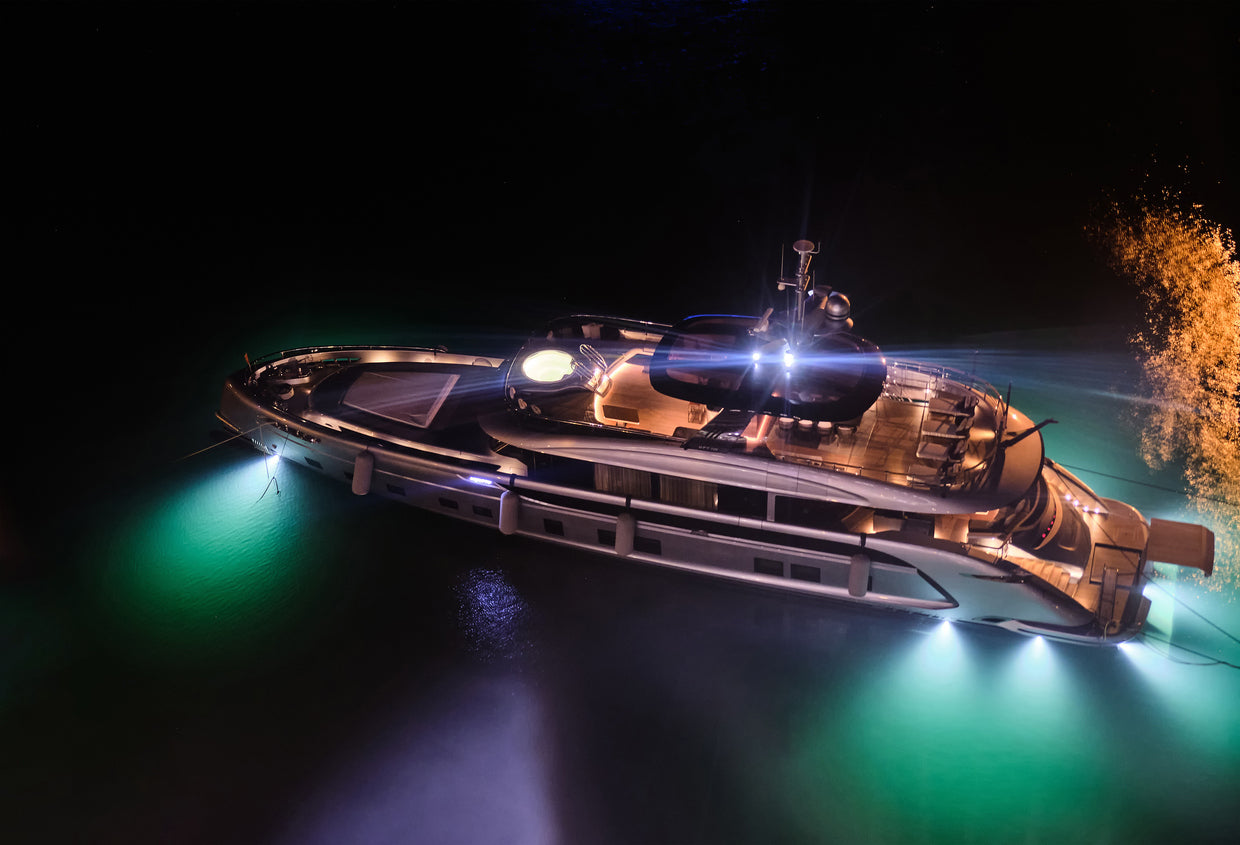
The Short Answer: Boating after dark is common, no matter the season, but it also demands extra caution. Every vessel operating at night must meet Coast Guard requirements for navigation lights, safety equipment, and visibility to prevent collisions and ensure safe passage.
After sunset, familiar waters can look completely different. Distances feel longer, and shadows can hide obstacles that were easy to spot during the day. That’s why night boating requires more than confidence; it demands preparation. Federal regulations outline what every boat operator must have on board, from specific light configurations to sound-producing devices and visual distress signals.
Beyond legal compliance, safety depends on how well you can see and be seen. New tools like digital night vision make it easier to navigate in total darkness without relying solely on spotlights or guesswork. With the right combination of awareness and equipment, nighttime boating can be both safe and rewarding.

Required Navigation Lights for Night Boating
Every vessel operating between sunset and sunrise must display the proper navigation lights to remain visible and compliant on the water. These lights communicate your boat’s size, position, and direction of travel, which is critical information when visibility drops. The U.S. Coast Guard specifies the required light types and placement for recreational, sailing, and power-driven vessels to help prevent confusion and collisions at night.
Types of Navigation Lights
|
Light Type |
Color |
Placement |
Purpose |
|
Masthead Light |
White |
Forward and above centerline |
Visible to vessels from the front and sides; indicates a power-driven vessel underway. |
|
Sidelights |
Red (port) / Green (starboard) |
Front sides of the hull |
Show direction of travel and help identify right-of-way situations. |
|
Stern Light |
White |
Rear of the vessel |
Visible from behind; signals the boat’s aft position. |
|
Anchor Light |
All-around white |
Highest point when anchored |
Indicates a stationary vessel at anchor. |
|
All-Around White Light |
White |
Top or stern area |
Combines masthead and stern visibility on smaller boats under 12 meters. |
Improving Nighttime Visibility
Adding reflective tape, visible boat numbers, and ensuring all lights are correctly aligned can help prevent confusion with background lights. In dark or crowded coastal waters, dependable lighting gives other vessel operators sufficient time to recognize your boat’s direction and distance to avoid complications and collisions.
Maintenance and Inspection Tips
Before every trip, verify that each bulb works and lenses are clean. Replace weak or broken bulbs with marine-grade LED options and check that wiring and switches are free from corrosion. Keep fresh batteries on board for portable lights and test them regularly.
Essential Safety Equipment for Night Boating
Nighttime boating requires more than navigation lights. The U.S. Coast Guard mandates specific safety equipment for all recreational vessels, and having the right tools on board can make the difference in an emergency. Each item serves a distinct purpose in keeping you, your passengers, and nearby boaters safe after dark.
Required Coast Guard Safety Equipment
All vessels must carry properly fitted life jackets for every passenger, a throwable flotation device, and at least one fire extinguisher. Boaters must also have a sound-producing device, such as a whistle, horn, or bell, to signal position or alert nearby vessels. In open or coastal waters, visual distress signals are also required, including flares or an electric distress light visible for at least two nautical miles.
Additional Night Boating Essentials
Beyond Coast Guard requirements, smart preparation goes further. Check that your flashlight, chart plotter, and radio have fresh batteries. Keep a first-aid kit, spare flashlight, and tools for minor engine repairs easily accessible. Use reflective tape on life jackets and railings to improve visibility under limited light. Before departing, always file a float plan with a friend or marina so someone knows your route and expected return.
How to Plan a Night Boating Trip

Preparation is the foundation of safe night boating. Even experienced boat operators can overlook small details that become major issues once the sun sets. Taking time to properly plan your trips helps prevent problems and ensures everyone is prepared for low-light conditions.
1. Check Weather and Water Conditions
Review the latest weather forecast, wind speeds, and tide schedules. Avoid planning night trips when storms, fog, or strong currents are expected. Calm conditions and clear skies make navigation safer and help you spot channel markers or background lights more easily.
2. Review Charts and Plot Your Route
Study your navigation chart or chart plotter to identify hazards, shallow areas, and no-wake zones. Mark channel markers and turning points in advance. Having a planned route reduces confusion when you’re relying on limited light sources or unfamiliar landmarks.
3. Test Lights and Equipment
Inspect your navigation lights, flashlight, and any digital night vision or thermal imaging systems. Verify that all bulbs are working and that spare batteries are on board. Test communication tools, such as your marine radio or cell phone, before departure.
4. File a Float Plan
Share your intended route, estimated return time, and passenger list with someone on shore. If you experience a mechanical issue or lose communication, this information helps responders locate your vessel faster.
5. Conduct a Safety Briefing
Before leaving the dock, review safety procedures with everyone on board. Make sure each person knows where life jackets, fire extinguishers, and distress signals are stored. A quick safety talk promotes awareness and faster response in emergencies.
Best Practices for Safe Nighttime Boating
Even with the right equipment, safe boating at night depends on how you operate your vessel. Reduced visibility, glare from bright lights, and shifting background lights can make navigation more challenging than it is during the day. Following a consistent routine helps ensure that every trip after dark stays controlled and incident-free.
1. Adjust Speed and Maintain Awareness
Travel at a slower speed than you would during the day, giving yourself enough time to react to obstacles or sudden changes in course. Obey posted speed limits and watch carefully for channel markers, buoys, or other navigation aids that may be harder to spot at night. When possible, maintain extra distance from other vessels and use sound signals before turns or when visibility drops.
2. Minimize Bright Light Distractions
Avoid using spotlights or bright deck lighting unless absolutely necessary. Excessive glare can reduce your depth perception and temporarily blind nearby boat operators. Instead, rely on properly adjusted running lights and low-intensity cabin illumination. Red or dimmed interior lights help preserve night vision and allow your eyes to adapt to low-light conditions.
3. Stay Visible and Communicate Clearly
Before leaving the dock, confirm that your navigation lights and sound-producing device are working properly. In coastal waters or busy channels, use an electric distress light or visual distress signals to indicate emergencies. Keep communication devices charged and test your radio so you can reach the Coast Guard or nearby vessels if assistance is needed.
4. Use Night Vision to Improve Safety
Digital night vision cameras provide a clearer view of the water’s surface and nearby hazards that may be invisible to the naked eye. Devices like SIONYX’s marine night vision systems help identify vessels, debris, and unlit channel markers in complete darkness, offering better awareness and control in open water or unfamiliar routes.
Confidence and Clarity on the Water at Night
Boating at night brings a different set of challenges than traditional rides. Following Coast Guard requirements for navigation lights, carrying proper safety equipment, and practicing disciplined operation helps every trip end safely. Preparation, awareness, and visibility are the pillars of responsible night boating, no matter the conditions.
The water looks different after dark, and even experienced boaters can misjudge distance or lose track of their surroundings. That’s where SIONYX steps in. The Nightwave digital and analog night vision systems give vessel operators a clear, color view of the water ahead, revealing channel markers, floating debris, and other hazards invisible to the naked eye. By pairing advanced low-light imaging with durable marine construction, SIONYX products extend your vision beyond the limits of traditional lighting, helping every night on the water feel safer, smoother, and more connected.
Whether you’re navigating open water, fishing after sunset, or returning to the dock, combining the right equipment with sound judgment keeps you and your passengers safer. The more visibility you have, the more confident and controlled your nighttime boating experience becomes.
Share:
Best Practices Mounting Night Vision on Boats
The History of Night Vision